Guides / Buyer toolkit

Recommended products for Florida homeowners

Simple tools that can help you notice a problem, verify a basic condition, or handle ordinary maintenance—without pretending to replace an inspector or specialist.

Bright coastal home interior
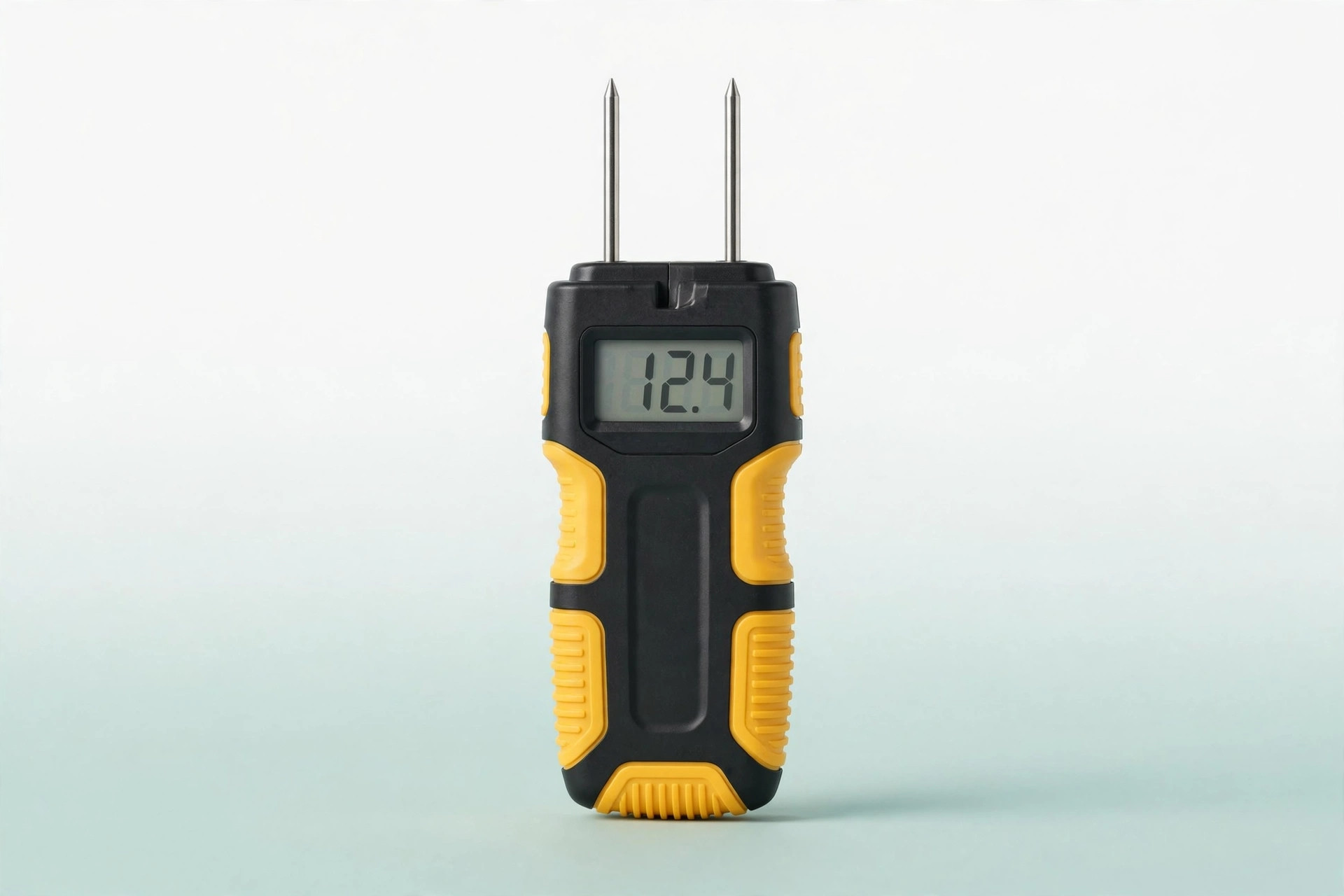
Pin-type moisture meterMoisture checks

Pin-type moisture meter

Uses small pins to compare moisture readings in wood and some building materials. Useful for checking a repaired area or tracking a suspicious spot; it cannot identify mold or prove what is hidden behind a wall.

  • Pro: Cheap way to compare moisture in wood and drywall — catches a suspicious spot before it grows.
  • Pro: Reads in seconds; no training needed.
  • Con: Pins leave tiny holes, so skip visible finished surfaces.
  • Con: A reading is a number, not a diagnosis — it can't tell you what's behind the wall.
Check current price →
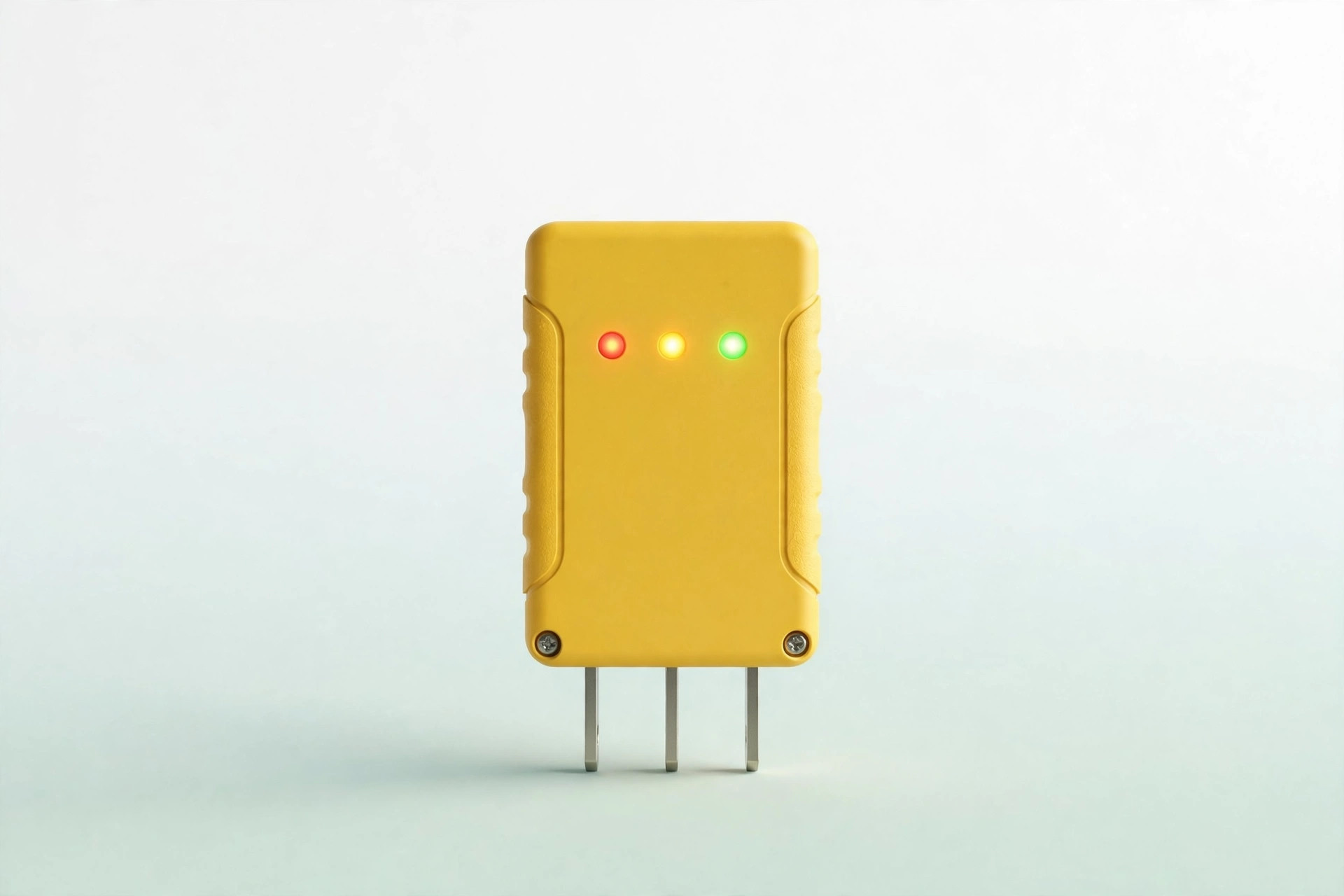
GFCI outlet testerElectrical basics

GFCI outlet tester

A quick plug-in check for common receptacle wiring indications and GFCI trip function. It does not evaluate the panel, concealed wiring, grounding electrode system, or every possible electrical defect.

  • Pro: Thirty-second check for miswired receptacles in kitchens, baths, and garages.
  • Pro: Tests the GFCI trip function on protected outlets.
  • Con: Says nothing about the panel, hidden wiring, or ground quality.
  • Con: Some indications look alarming but are harmless — and vice versa.
Check current price →
Radon test kitOptional air-quality screening

Radon test kit

A short-term screening tool for buyers or owners who want a basic radon check. Follow placement and mailing instructions exactly; real-estate decisions may call for a certified test or professional follow-up.

  • Pro: Inexpensive first screening for the one invisible risk buyers most often skip.
  • Pro: Short-term kits give results in days, with lab analysis included in many kits.
  • Con: Placement matters — wrong room or open windows can skew results.
  • Con: Real-estate decisions may require a certified test or professional follow-up.
Check current price →
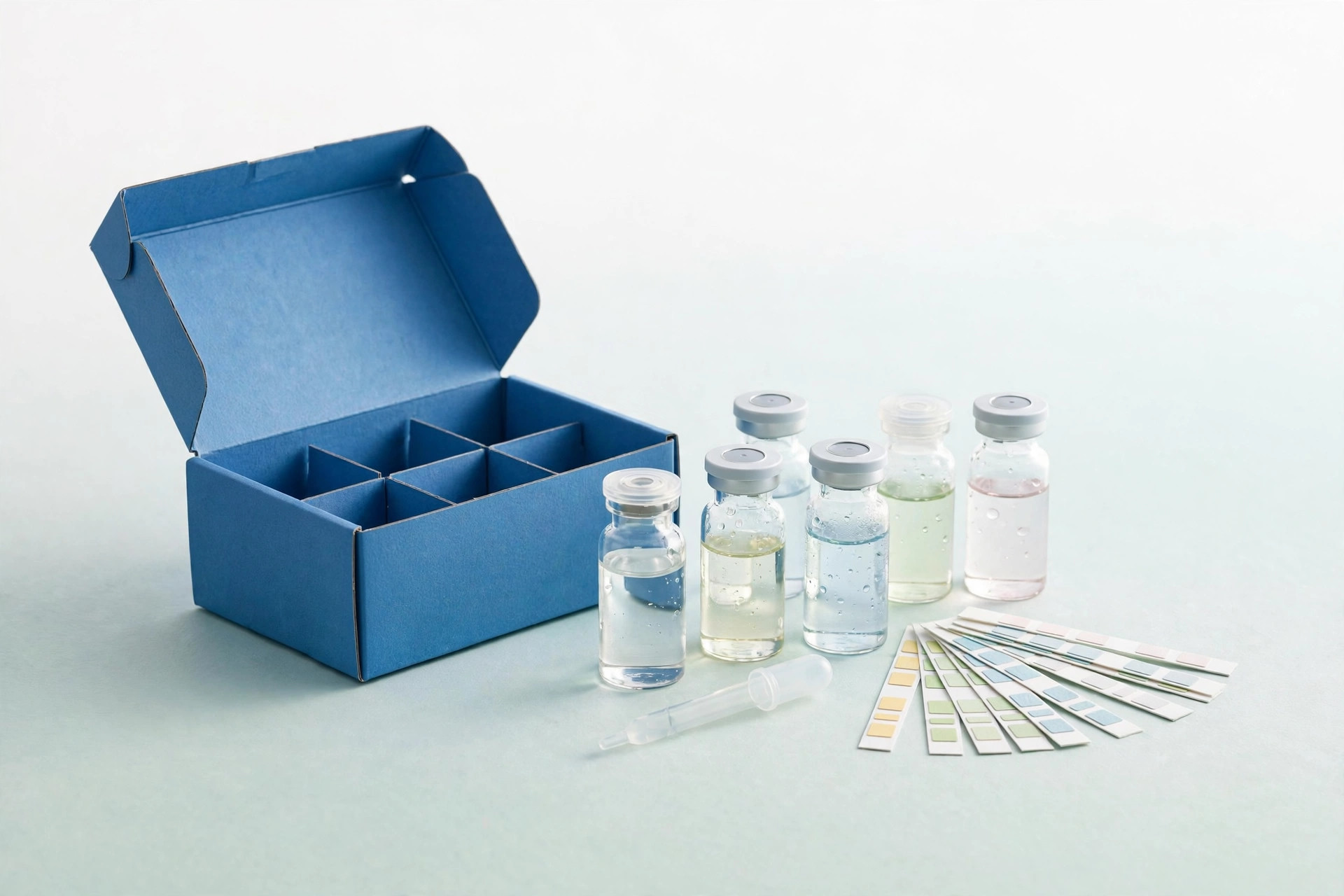
Drinking water test kitWater quality screening

Drinking water test kit

Strip-based or mail-in screening for common water concerns like lead, bacteria, pH, chlorine, and hardness. Especially worth considering for well water or older plumbing; confirm any concerning result with a certified lab before making decisions.

  • Pro: Quick read on lead, bacteria, pH, chlorine, and hardness without a lab visit.
  • Pro: Especially worth it for well water or older plumbing.
  • Con: Strip tests are screening-level — confirm concerning results with a certified lab.
  • Con: Won't catch every contaminant; check what each kit actually covers.
Check current price →
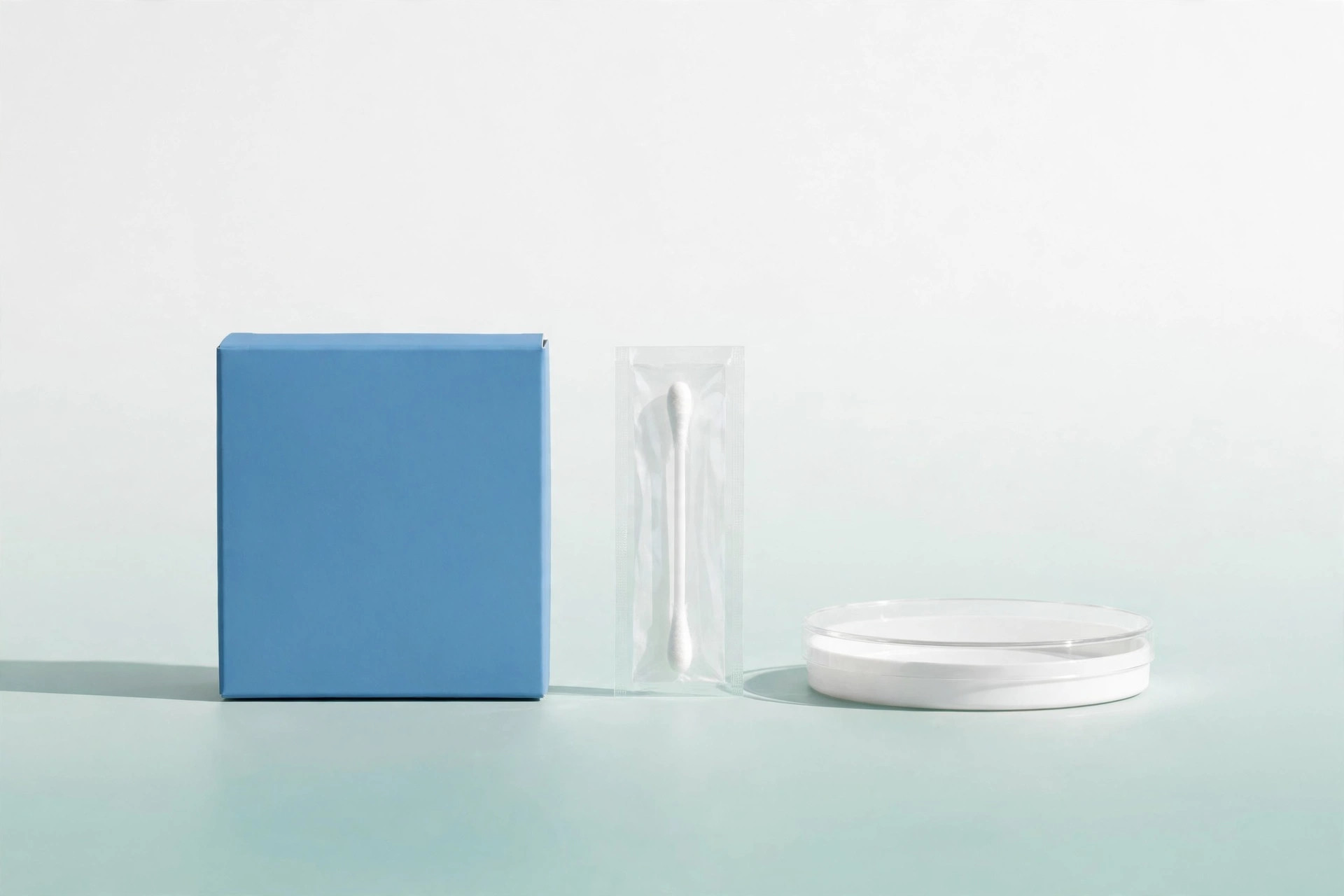
Mold test kitSuspect mold screening

Mold test kit

DIY surface or air sampling kits for when you see staining or smell mustiness and want a first indication. They can suggest whether further investigation is warranted, but they cannot reliably identify species or replace a professional mold assessment.

  • Pro: A first indication when you see staining or smell mustiness but want evidence before calling anyone.
  • Pro: Simple surface or air sampling, with prepaid lab options.
  • Con: Results can alarm without context — ambient mold spores exist everywhere.
  • Con: Cannot reliably identify species or replace a professional assessment.
Check current price →
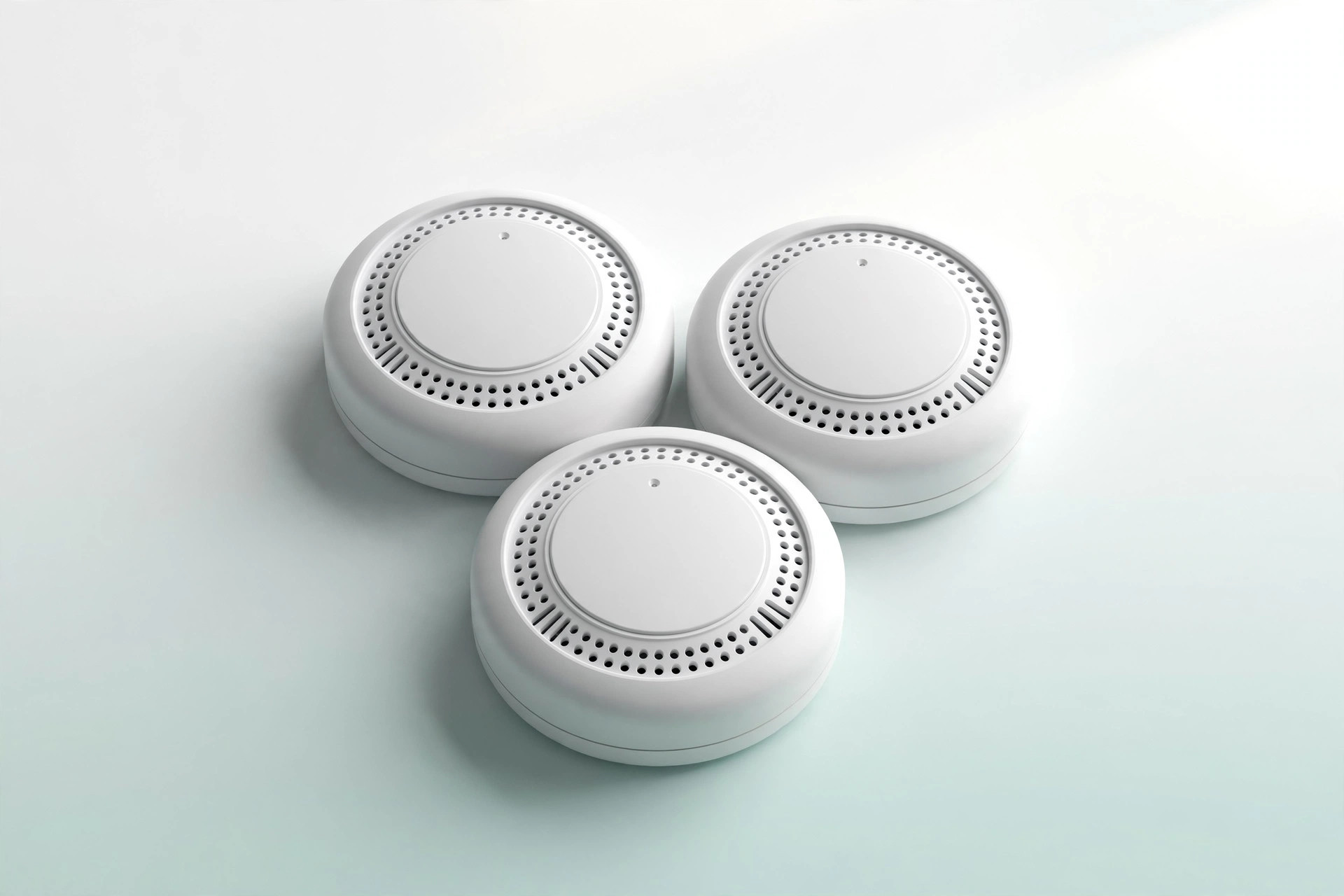
Water leak alarm multi-packEarly leak warning

Water leak alarm multi-pack

Small battery alarms for water heaters, laundry connections, sinks, and air-handler drain areas. Best after move-in where a slow leak could otherwise go unnoticed.

  • Pro: Cheap insurance — a small alarm beats a large water-heater flood.
  • Pro: Covers the big spots: water heater, laundry, sinks, A/C drain pan.
  • Con: Battery-powered — test them when you change smoke-detector batteries.
  • Con: Only useful if someone is home to hear the alarm.
Check current price →
Etekcity infrared thermometer gunTemperature comparison

Infrared thermometer gun

Checks surface-temperature differences at supply vents, appliances, and warm or cool spots. It measures surface temperature—not moisture, air temperature, or conditions inside a wall.

  • Pro: Compare supply-vent temperatures to spot a weak A/C run in seconds.
  • Pro: No contact needed — safe on appliances and hot surfaces.
  • Con: Measures surface temperature only, not air temperature or moisture.
  • Con: Shiny surfaces and sunlight give misleading readings.
Check current price →
39-piece basic home tool kitMove-in maintenance

Basic home tool kit

A compact set for tightening hardware, hanging items, and handling ordinary first-week tasks. Choose a kit with a hammer, screwdrivers, pliers, tape measure, hex keys, and an adjustable wrench.

  • Pro: One box handles most first-week move-in tasks.
  • Pro: Compact enough to keep in a closet or car trunk.
  • Con: Entry-level tools wear faster — replace what you use often with better versions.
  • Con: Won't cover specialty jobs; plumbing, electrical, and roof work still need pros.
Check current price →

As an Amazon Associate, this site earns from qualifying purchases at no extra cost to you. Prices and availability can change. Read the affiliate disclosure.

How these picks were chosen

Each item has a clear, narrow job and can be useful beyond a single inspection day. The list favors basic tools over specialty equipment that requires training to interpret safely.

Know the limits

A meter or tester gives a reading, not a diagnosis. Unexpected moisture, electrical indications, repeated leaks, or unexplained temperature differences should lead to the appropriate qualified professional. Never open an electrical panel, enter an unsafe attic, climb a wet roof, or disturb suspect materials to use a consumer tool.

Gift season

Shopping for someone else?

Start with our stocking stuffer guide, the full holiday gift guide, or our Thanksgiving gift picks — every product there is one we already recommend here.