A four-point inspection is a focused report on four systems that matter heavily to a homeowners insurance company: the roof, electrical system, plumbing system, and heating and cooling equipment. In Florida, insurers often request this report when a home reaches an age threshold set by the carrier. It is not a statewide rule that every older home must have one, and each insurance company can apply different underwriting guidelines.
For a buyer, that distinction matters. A satisfactory four-point report does not mean the house is problem-free. It means the inspector documented the visible condition, age, type, and notable concerns for four insurance-sensitive systems on the day of the inspection. The carrier—not the inspector—decides whether to issue a policy, request repairs, exclude coverage, or decline the risk.
In a hurry? Check pinless moisture meters prices on Amazon →
The four systems in a Florida 4-point inspection
1. Roof covering and roof geometry
The roof section commonly records the covering material, approximate age, visible condition, remaining useful life, shape, and any signs of active leakage. The inspector may photograph the roof surface, roof edges, valleys, penetrations, attic evidence, and permit information when it is available. A roof can look serviceable to a buyer yet still fall outside a carrier’s age or remaining-life requirements. That is an underwriting issue, not necessarily proof that the roof has failed.
Repairs should be documented. An invoice, paid receipt, permit record, or licensed contractor letter may help an insurance agent present the property to a carrier. A seller’s verbal estimate of age is weaker than a permit or installation record. Buyers should ask for documentation early because roof questions can delay binding coverage near closing.
2. Electrical system
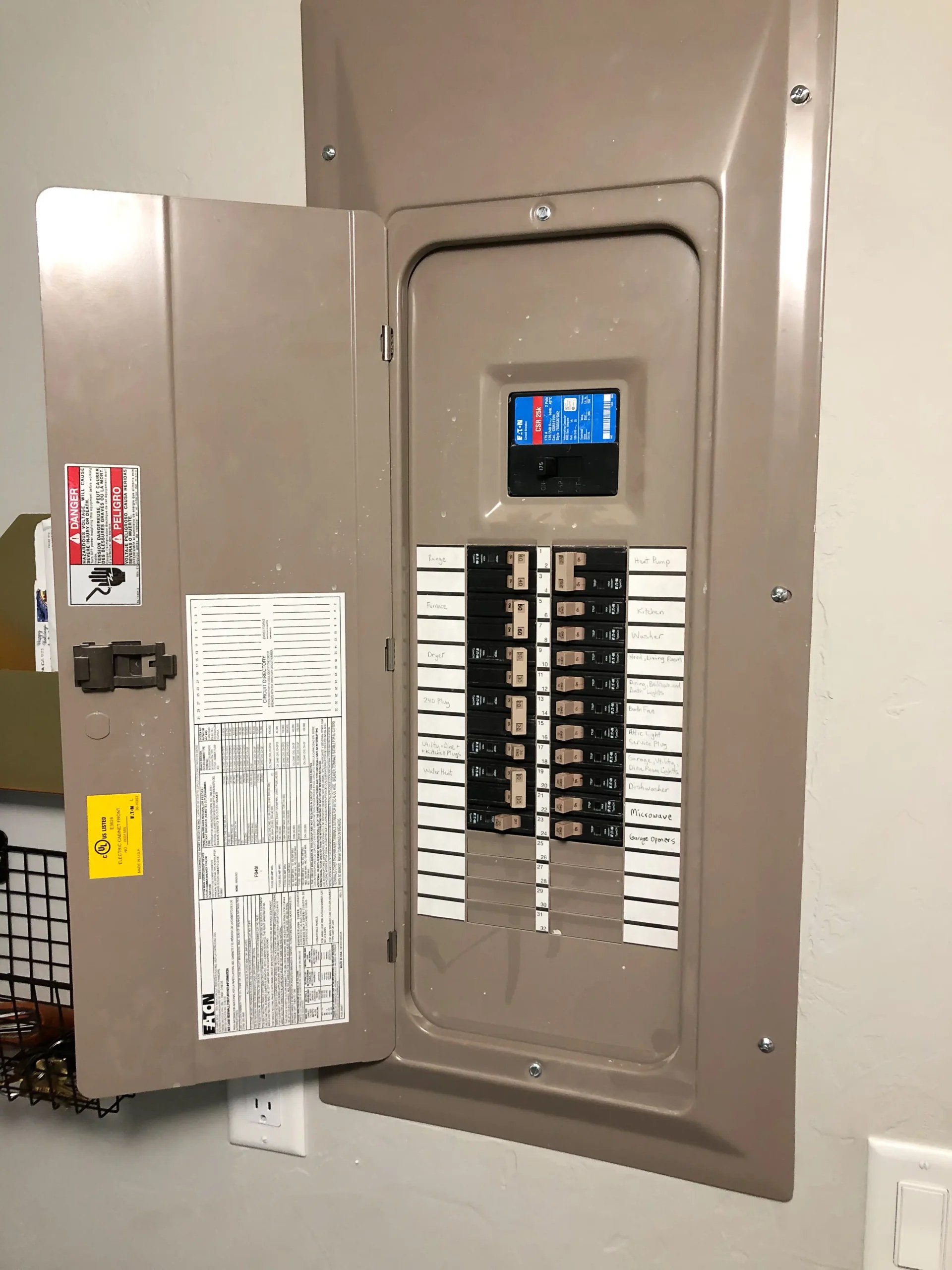
The electrical portion usually identifies the main panel and subpanels, amperage, wiring types, overcurrent protection, grounding observations, and visible hazards. Common concerns include double-tapped breakers not designed for two conductors, exposed wiring, missing covers, corrosion, unsafe splices, or equipment with a history of insurer scrutiny. A four-point inspection is visual and limited; it does not involve dismantling the entire electrical system or guaranteeing every circuit.
3. Plumbing system
The report typically notes visible supply and drain materials, water heater age and condition, apparent leaks, and signs of prior water damage. Certain older piping materials may receive extra underwriting attention. Even accepted pipe material can have installation defects, corrosion, active leakage, or poor repairs. The inspection describes what is visible; concealed piping behind walls and below slabs is not fully evaluated.
4. HVAC system
The heating, ventilation, and air-conditioning section identifies equipment type, age when readable, apparent condition, and whether permanent heating is present. Florida buyers tend to focus on cooling performance, but insurers may also care about safe and adequate heat. Rusted drain pans, improvised wiring, blocked condensate lines, and equipment near the end of its useful life can all affect the report.
Why insurance companies ask for it
Insurance underwriting is risk selection. Older roofs are more likely to leak or fail in severe weather. Outdated or damaged electrical components can increase fire risk. Aging plumbing can create expensive water claims. Poorly maintained HVAC equipment can contribute to water damage, electrical faults, or loss of basic habitability. The four-point format gives the carrier a concise snapshot of these categories.
The request often appears when an agent begins quoting coverage. Waiting until the final days before closing creates avoidable risk: the inspection may reveal a repair, the seller may need time to respond, and the carrier may need new photos or documents. Ask the insurance agent what forms and age limits the intended carrier uses before scheduling.
What a 4-point inspection does not include
A four-point inspection is not a substitute for a full home inspection. It generally does not provide a comprehensive evaluation of grading, drainage, structure, windows, doors, appliances, pools, seawalls, docks, interior finishes, or every safety concern. It also is not a code-compliance inspection, warranty, appraisal, or guarantee of insurability.
Buyers who order only a four-point report may miss defects that do not fit the insurer’s four categories. A full inspection answers the broader purchasing question: what visible defects, safety issues, maintenance needs, and near-term costs should be understood before the inspection period ends?
How buyers can prepare
- Ask the seller for roof permits, invoices, and warranty documents.
- Make the electrical panels, water heater, HVAC equipment, and attic access reachable.
- Confirm utilities are on so systems can be operated where safe.
- Tell the inspector about known leaks, recent repairs, or inaccessible areas.
- Send the completed report to the insurance agent promptly and ask whether additional documentation is needed.
If a report identifies a concern, get the carrier’s exact requirement in writing. Some issues can be corrected with a targeted repair and updated photo; others may require licensed contractor documentation or replacement. Do not assume that one carrier’s answer represents the entire Florida market.
Frequently asked questions
How long is a Florida 4-point inspection valid?
Acceptance periods vary by carrier. Some may accept a recent report while others require a new inspection or updated evidence after repairs. Ask the agent placing the policy.
Does a passing report guarantee insurance?
No. Inspectors document conditions; insurance carriers make underwriting decisions using the report plus other property and applicant information.
Can the seller provide an older report?
Possibly, but the buyer’s carrier decides whether it is current enough. A buyer should also consider whether the report reflects today’s condition.
Should I combine it with my full inspection?
Often, yes. Coordinating both can reduce duplicate site work while preserving the broader protection of a full home inspection.