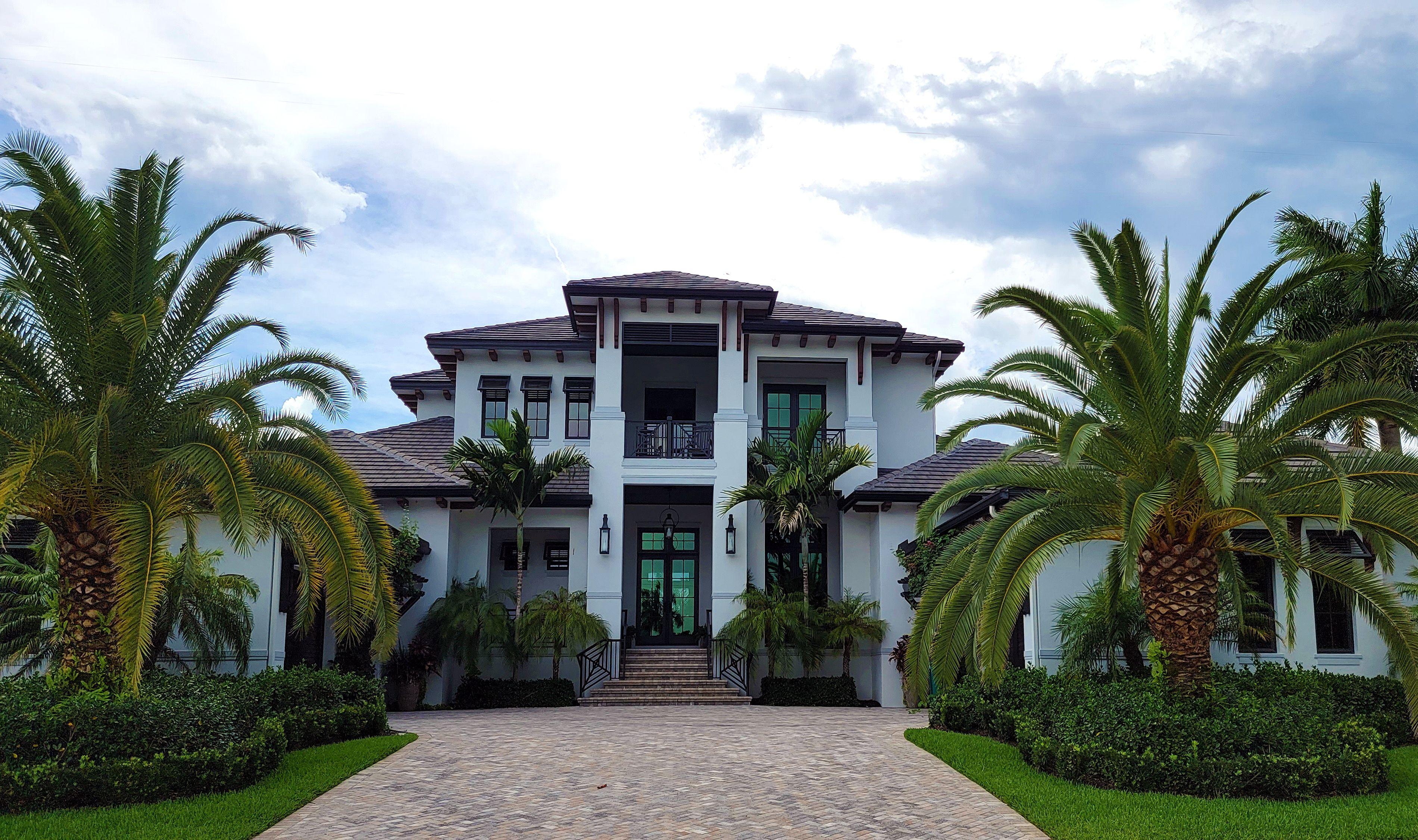
A wind mitigation inspection documents construction features that may help a Florida home resist hurricane-force winds. The report is designed for insurance underwriting, not for declaring a house hurricane-proof. It records visible evidence for items such as roof age, roof-deck attachment, roof-to-wall connections, roof shape, secondary water resistance, and opening protection.
Florida law provides for premium credits or discounts for qualifying wind-resistance features, but the amount depends on the insurer, policy, location, insured value, and combination of features. An inspector documents the evidence. The insurance company calculates the credit. Buyers should avoid any promise that a particular feature will produce a specific dollar savings before the carrier runs the quote.
In a hurry? Check hurricane straps and clips prices on Amazon →
What the inspection documents
Building code and roof permit information
The form may distinguish homes built under later wind-related code standards from older construction. For reroofed homes, the permit date can be important because code requirements changed over time. Permit research, when available, is stronger evidence than an unsupported estimate. If records are missing, the inspector must report what can be verified rather than assume the most favorable answer.
Roof-deck attachment
This section considers how roof sheathing is fastened to the framing. Nail size and spacing can affect uplift resistance. The inspector may need attic access and visible fasteners to identify the attachment. Limited access, insulation, finishes, or sealed areas can prevent confirmation. A report cannot award evidence that is concealed or undocumented.
Roof-to-wall connection
Metal clips, single wraps, and double wraps can connect roof framing to the walls. Their classification depends on the visible installation, including how the connector engages the truss or rafter and how it is fastened. A connector that looks substantial from the attic opening may still lack the visibility needed to receive a higher classification.
Roof geometry
A hip roof generally has sloped roof surfaces on all sides and may receive favorable treatment because it can reduce wind pressure compared with certain gable configurations. The technical definition on the inspection form controls. Small gable sections, porch roofs, and additions can affect the classification, so the label used in a real-estate listing is not enough.
Secondary water resistance
A qualifying sealed roof-deck system can reduce water intrusion if the primary roof covering is damaged. Not every peel-and-stick product or underlayment qualifies. Documentation may be necessary because the material is usually hidden once the roof is installed. Buyers should request reroofing contracts, product information, and permit records from the seller.
Opening protection
This category looks at qualifying protection for glazed and sometimes non-glazed openings, depending on the form. Impact-rated windows, tested shutters, reinforced doors, and a rated garage door may contribute. Every required opening generally must meet the applicable standard to receive the strongest classification. A few impact windows do not automatically mean the whole house qualifies.
Why documentation matters so much
Wind mitigation reporting is evidence-driven. Product labels, permit records, installation invoices, and approval documents can turn an uncertain observation into a supported feature. Without documentation, an inspector may be unable to verify an improvement even when it appears likely. Gather records before the appointment and make attic access, windows, doors, and shutters accessible.
For shutters, organize panels and labels so the inspector can connect the protection to the openings. If panels are stored off-site or buried in a garage, the evidence may be incomplete. For impact windows and doors, leave labels visible when possible and keep manufacturer documentation.
How the report can affect insurance
The insurance agent enters the inspection findings into the carrier’s rating system. Credits are not all-or-nothing; several features may contribute separately. However, the policy’s wind premium is only one part of the total cost, and discounts can be offset by base-rate changes, deductibles, coverage choices, or other underwriting factors.
Use the report to compare quotes on an equivalent basis. Ask each agent to quote the same dwelling limit, deductibles, endorsements, and exclusions. A low premium with a high hurricane deductible or narrower water coverage is not automatically the better value.
When to order the inspection
Buyers should request insurance quotes early in the contract period. If the carrier asks for wind mitigation documentation, schedule it alongside the full home inspection when practical. Existing owners can also order an inspection after a reroof, window replacement, shutter installation, or structural improvement that may change the home’s classification.
Reports are commonly accepted for a limited period, often up to five years, but a carrier can require newer documentation or an updated report after changes. Verify acceptance with the insurer rather than relying on a general rule.
Frequently asked questions
Does a wind mitigation inspection pass or fail?
No. It documents features. The insurer determines available credits and underwriting treatment.
Will impact windows always lower the premium?
Not necessarily. The classification may depend on all required openings, product ratings, and documentation. The carrier calculates the financial effect.
Can an inspector guarantee savings?
No. The inspector cannot control insurance rates or carrier decisions. Treat guaranteed savings as a warning sign.
What should I bring?
Roof permits, paid invoices, product approvals, shutter documentation, and records for impact-rated openings can all help support the report.